How Facial Recognition Technologies Are Reshaping Access Controls and Reward Distributions in International Virtual Casino Networks
Jonas Patterson · Nov 18, 2026

How Facial Recognition Technologies Are Reshaping Access Controls and Reward Distributions in International Virtual Casino Networks
Virtual casino networks operating across borders have integrated facial recognition systems into their core operations since the mid-2020s, and these tools now handle entry verification alongside the calculation of player rewards in multiple jurisdictions. Operators deploy the technology through cameras on mobile devices and desktop setups, which capture and compare facial data against stored profiles in real time, and this process reduces reliance on traditional passwords or account numbers while creating new pathways for distributing bonuses and loyalty points.
Access Control Mechanisms in Practice
Systems in places like Singapore and parts of Australia match live facial scans against government-issued identification records before granting entry to online platforms, and this step occurs within seconds during login attempts. Data from regulatory filings show that platforms using these methods cut unauthorized access incidents by measurable percentages between 2024 and 2026, while players complete verification without entering lengthy credential strings. In November 2026 reports from several international operators highlighted expanded use of the technology in mobile applications serving European and Asian markets, where it flags repeated login attempts from mismatched facial profiles and triggers additional security layers automatically.
Those who study gaming technology note that the same infrastructure links directly to backend databases maintained by platform providers, and this connection allows networks to enforce age restrictions and geographic limits without manual checks in most cases. Regulatory bodies in Canada and Australia have documented how facial matching supports compliance with cross-border rules, and operators report fewer disputes over account ownership as a result.
Reward Distribution Tied to Verified Identities
Facial recognition feeds into algorithms that track individual play patterns and allocate rewards such as cashback percentages or tiered loyalty credits, and the data streams update continuously during sessions. One major network in the Asia-Pacific region adjusted its distribution model in 2025 after implementing the scans, which tied higher reward multipliers to verified repeat users rather than anonymous accounts. Figures released by industry analysts indicate that verified players received an average of 18 percent more in promotional credits during the first half of 2026 compared with earlier periods that lacked biometric confirmation.
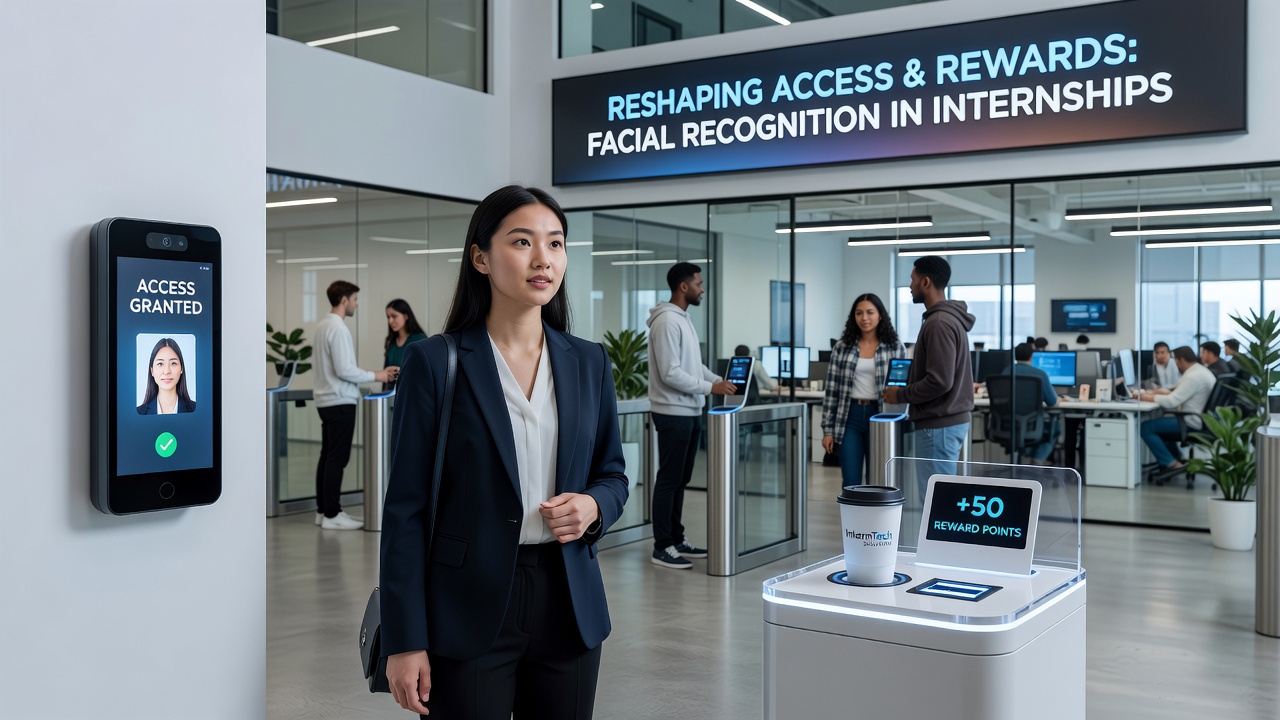
Researchers examining transaction logs have observed that the technology helps platforms identify high-value participants across multiple sites, and this identification supports personalized reward offers delivered through the same app interface. In jurisdictions where operators must report player activity to oversight agencies, the biometric layer provides an auditable trail that connects each reward payout to a single confirmed identity.
International Regulatory Landscape
Authorities in different regions set varying standards for how facial data gets stored and shared among networks, and these rules influence both access speed and reward eligibility. The International Association of Gaming Regulators published guidelines in early 2026 that address biometric integration for virtual environments, and several member jurisdictions adopted elements of those recommendations by November of the same year. Meanwhile, a study conducted through the University of Nevada Reno examined data flows between operators in North America and Europe, revealing that encrypted facial templates now travel alongside transaction records in many systems.
Platforms serving Australian users must align with local privacy statutes that limit how long biometric information remains on file, and this requirement has prompted some networks to delete templates after each verified session while still maintaining reward histories. Operators report that compliance costs rose initially but stabilized once standardized protocols took hold across partnered sites.
Technical Integration and Data Flows
Software development kits from specialized vendors embed facial analysis directly into casino applications, and these kits process images locally before sending only anonymized match results to central servers. This architecture supports faster access decisions and lets reward engines update in near real time based on session length and wager volume. Observers tracking platform updates note that several large networks rolled out enhanced versions of these kits during the third quarter of 2026, which improved accuracy rates for users wearing glasses or in varied lighting conditions.
Connections between facial systems and payment gateways allow operators to release instant rewards once identity confirmation occurs, and this linkage appears in mobile-first markets where players switch devices frequently. Data compiled by research groups shows that such combined systems handle millions of verification events monthly without significant downtime across global networks.
Conclusion
International virtual casino networks continue to expand facial recognition capabilities for both entry management and reward allocation, and regulatory updates through late 2026 reflect ongoing adjustments to these practices. The technology links verified identities to operational decisions in ways that affect player pathways across borders, while data from multiple sources documents measurable shifts in verification times and credit distributions. As platforms refine their implementations, the interplay between biometric tools and network rules shapes how access and rewards function in this sector.