Regulatory frameworks directing the sequencing of loyalty tier advancements in verified handheld chance platforms
Leon Schmid · Oct 7, 2026
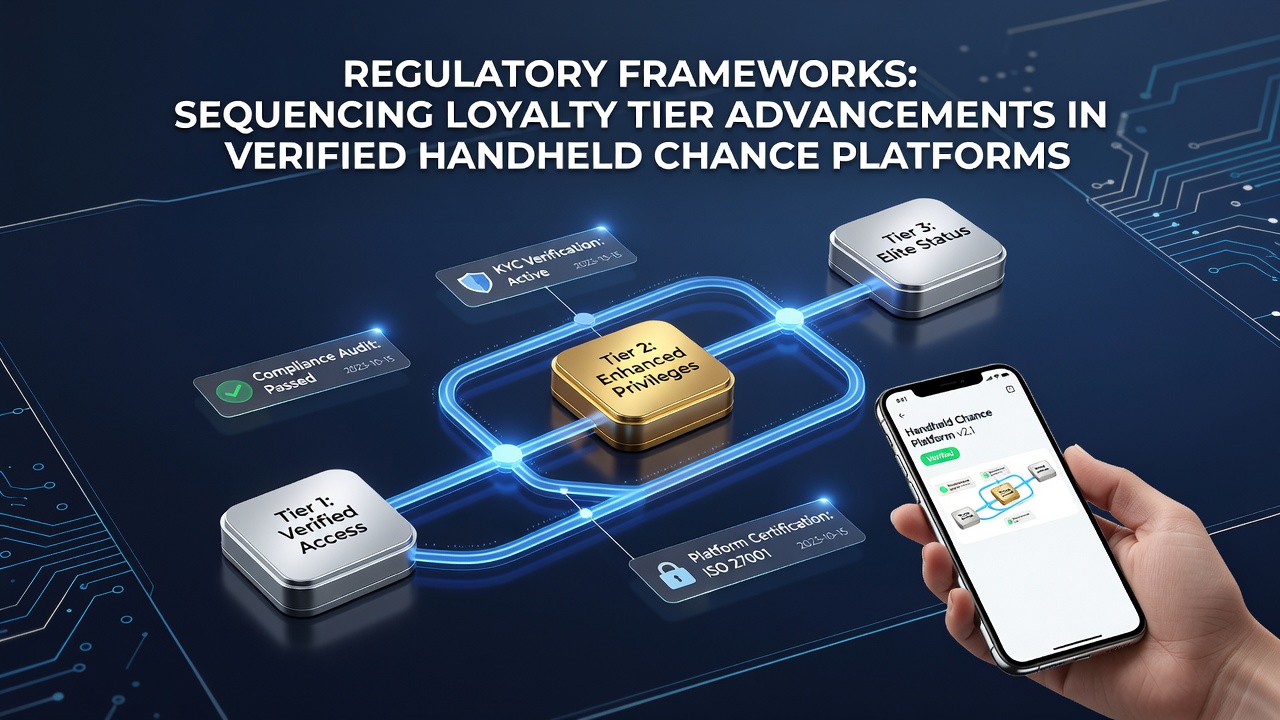
Regulatory frameworks directing the sequencing of loyalty tier advancements in verified handheld chance platforms
Regulatory frameworks establish clear sequences for advancing loyalty tiers within verified handheld chance platforms, where operators must align player progression with documented activity thresholds, compliance audits, and jurisdictional reporting requirements. These structures ensure that tier movements follow predefined criteria rather than discretionary adjustments, creating consistent pathways from entry-level status through premium designations across mobile interfaces. Data from multiple oversight bodies shows that such sequencing protocols reduce discrepancies in reward distribution while maintaining verifiable records of player engagement metrics.
Core Components of Tier Sequencing Protocols
Authorities in several regions require operators to submit detailed algorithms that govern how accumulated play translates into tier elevation, often mandating minimum activity periods, wager volume thresholds, and independent verification steps before any advancement occurs. In practice this means a player cannot bypass intermediate tiers without satisfying every documented checkpoint, and systems must log each stage for potential review by regulators. Platforms operating under these rules integrate automated checks that pause progression until compliance documentation clears internal and external review processes.
Regional Variations in Oversight Mechanisms
North American jurisdictions apply distinct sequencing mandates compared with European and Asia-Pacific counterparts, yet all emphasize transparency in how loyalty data flows from mobile applications to central compliance servers. The Nevada Gaming Control Board requires monthly submissions detailing tier advancement statistics, including the exact sequence of criteria met by each cohort of players, while similar documentation standards appear in frameworks administered by the Victorian Commission for Gambling and Liquor Regulation. These filings allow regulators to identify patterns where progression sequences might deviate from approved models, prompting targeted examinations when anomalies surface.
Technical Integration Requirements
Verified handheld platforms must embed regulatory sequencing logic directly into their backend systems so that tier elevation triggers only after sequential validation of play history, identity confirmation, and anti-money laundering screenings. Engineers configure these systems to generate timestamped audit trails that capture every decision point along the advancement path, enabling rapid retrieval during compliance reviews. Updates released in October 2026 further refined these technical standards by introducing mandatory encryption layers for all tier-related data transmissions between mobile devices and operator servers.

Reporting and Audit Cycles
Operators submit quarterly reports that break down the sequencing of every tier advancement recorded during the period, allowing regulators to cross-reference individual player trajectories against approved mathematical models. Independent auditors then sample a percentage of records to confirm that no unauthorized shortcuts occurred in the progression sequence. When discrepancies appear, platforms face mandated remediation periods during which new tier advancements are suspended until corrective measures receive approval.
Impact on Platform Architecture
Developers design mobile applications with modular loyalty engines that can be reconfigured to match evolving sequencing rules without requiring full system overhauls. This architectural flexibility accommodates updates from different regulatory bodies while preserving the core requirement that each tier advancement follows the exact order prescribed in the operator's licensed framework. Industry reports indicate that platforms adopting such modular designs experience fewer compliance interruptions during annual license renewals.
Future Adjustments Anticipated
Regulatory bodies continue to examine how emerging technologies affect the sequencing of loyalty tiers, particularly as handheld platforms incorporate additional verification layers such as biometric authentication and real-time location tracking. Proposals under discussion in multiple jurisdictions would require even more granular logging of each sequential step, further tightening the connection between player activity and tier status. Observers note that these refinements aim to maintain consistency across verified platforms regardless of the specific regulatory environment in which they operate.
Conclusion
Regulatory frameworks continue to shape the precise sequencing of loyalty tier advancements by enforcing documented criteria, audit trails, and technical safeguards across verified handheld chance platforms. These structures promote uniformity in how players move through reward levels while providing regulators with the data needed to verify compliance. As platforms adapt to refined standards, the interplay between regulatory mandates and mobile system design remains central to maintaining orderly progression sequences.